Havenlon Research

Books

Books on execution control, autonomous systems, and the engineering foundations of trustworthy AI execution.

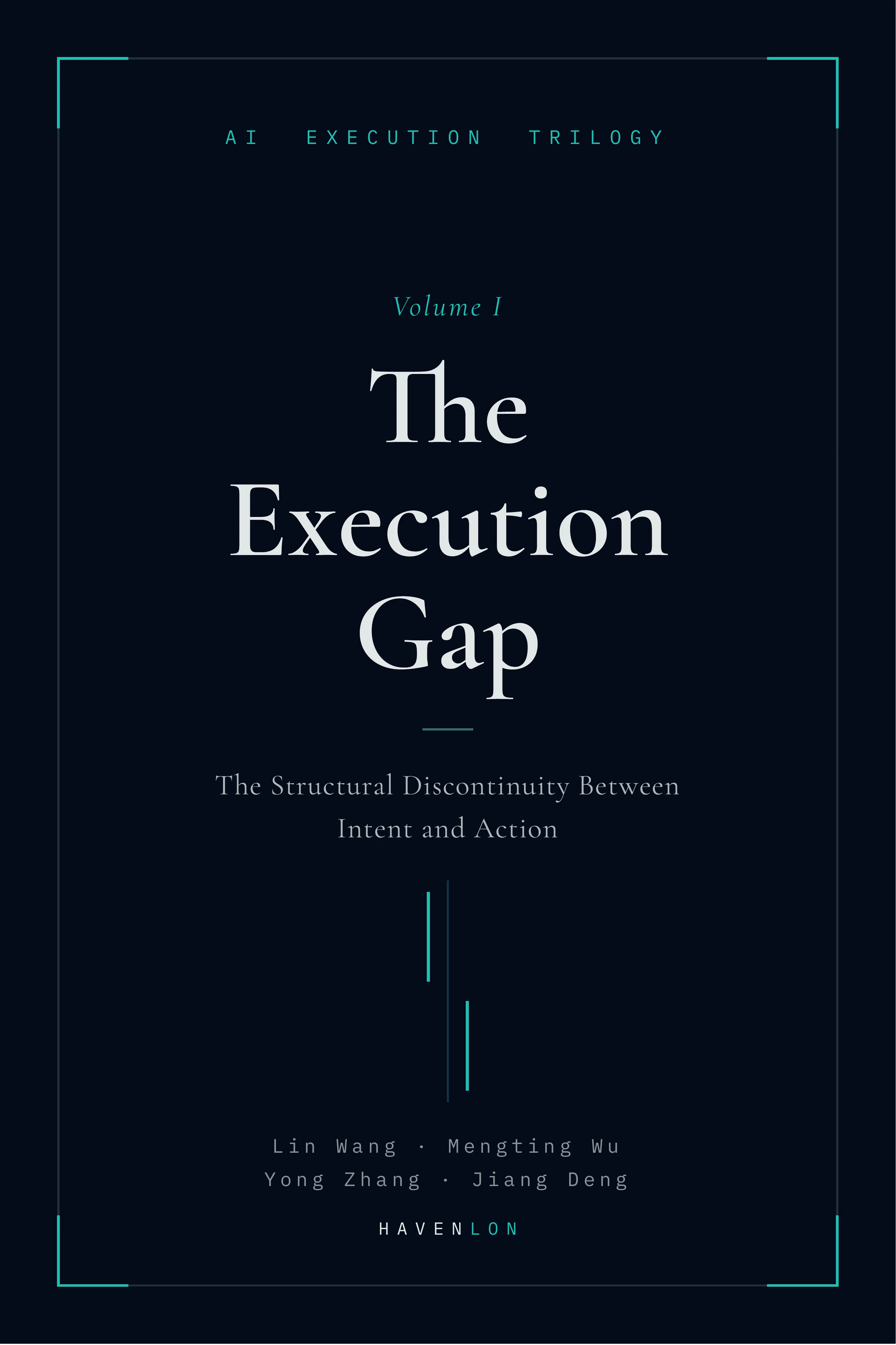
The Execution Gap cover
Book IPublished

The Execution Gap

Execution Engineering Trilogy · Book I

The Execution Gap identifies the structural discontinuity between an established upstream object—such as intent, decision, authorization, policy, or qualification—and the action and result that ultimately take effect in the real world. Through verified failures across software, finance, infrastructure, and autonomous systems, it separates local correctness from end-to-end execution correctness and defines the problem before proposing its control.
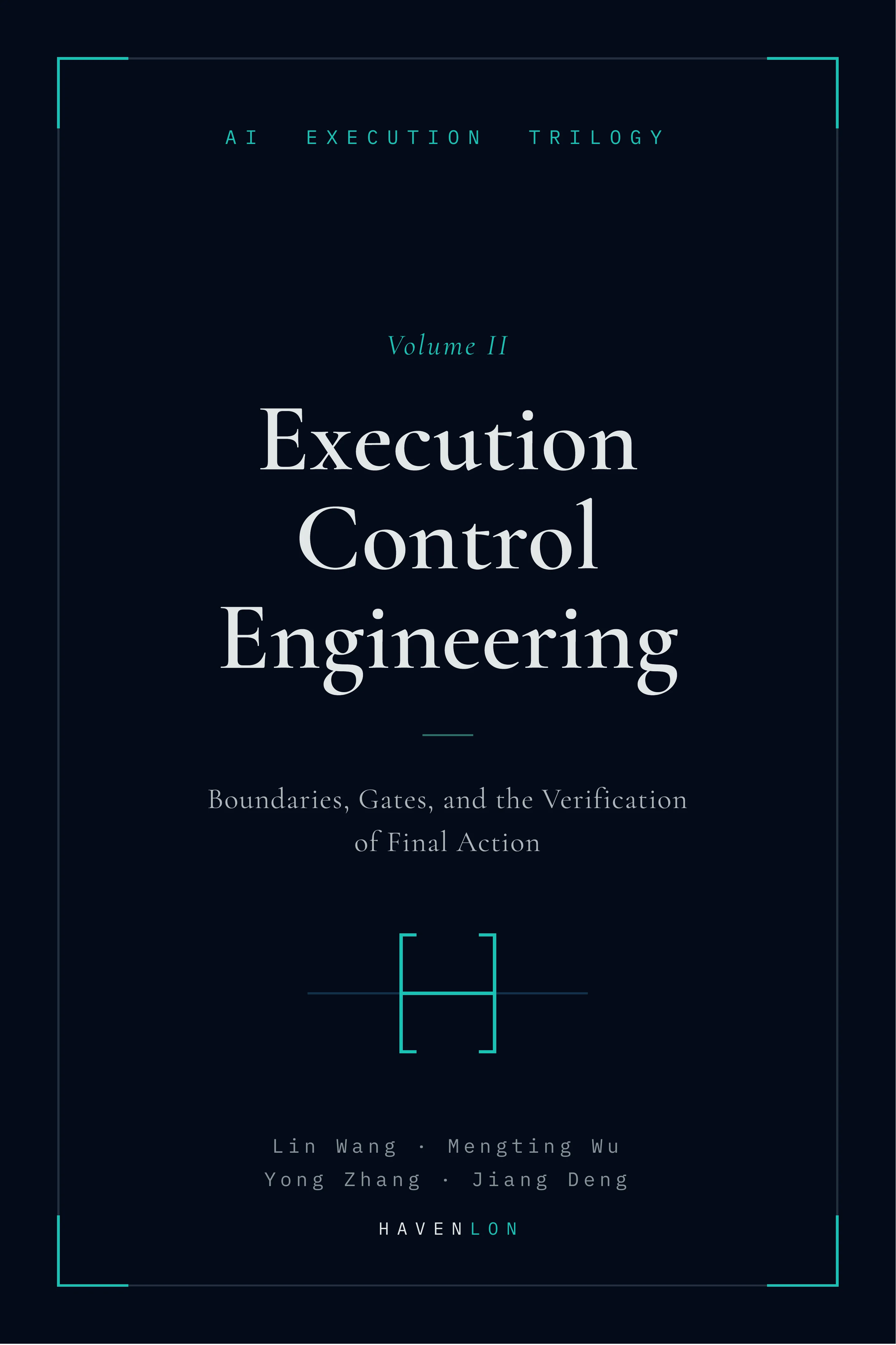
Execution Control Engineering cover
Book IIPublished

Execution Control Engineering

Execution Engineering Trilogy · Book II

Execution Control Engineering asks what must hold before a concrete Action is allowed to change reality. It separates Intent binding, Authorization, current State, Evidence, Policy, Adjudication, Boundary, and Executor into distinct engineering objects, and shows why Capability is not Authority, Evidence is not a Log, Policy is not Final Authority, and Adjudication is not Execution. Building on the problem defined in Book I, it establishes the conditions under which this Action still holds execution effect before the real-world side effect occurs, and fixes Fail-Secure as the direction the system must fail when those conditions cannot be established.

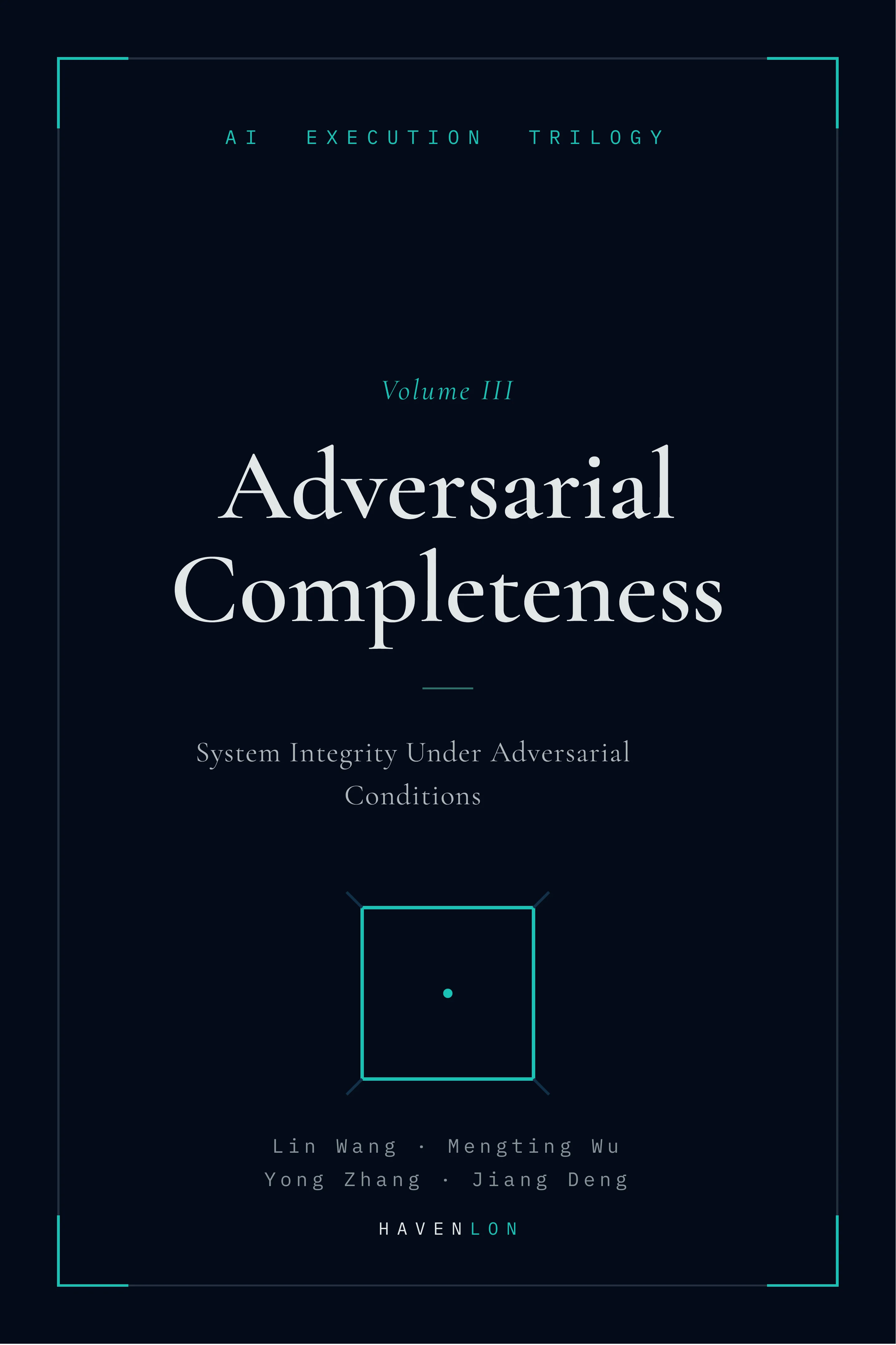
Adversarial Completeness cover
Book IIIPublished

Adversarial Completeness

Execution Engineering Trilogy · Book III

Adversarial Completeness asks what must still hold when the subjects, components, and control planes that a system depends on can themselves fail, become compromised, or cease to be trustworthy. It examines why one compromise can neutralize several controls at once, why the constraints consulted for an Action may not be the ones that Action required, how the same protected result can be reached by another path, why a boundary-defining rule can itself become an object of change, and why intact records can outlive the fact they were meant to establish. It does not claim to guarantee that every attack will be blocked, and it holds its own conclusions inside a declared Threat Model, Trust Root, and Constraint-Layer Set.